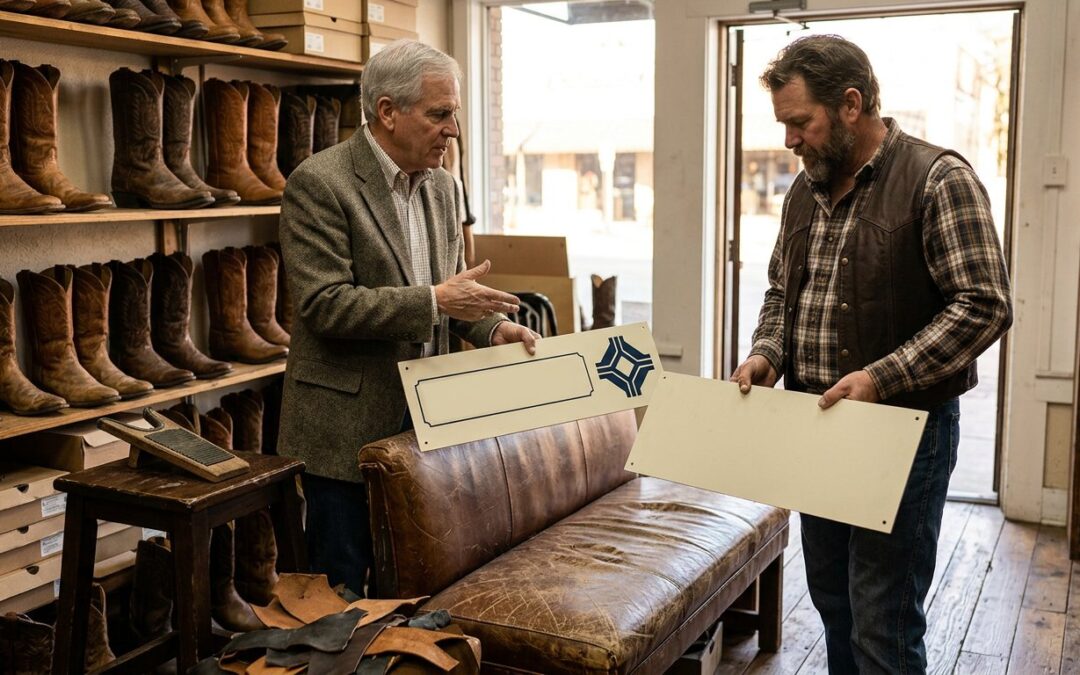
by Angela Langlotz | Nov 22, 2026 | Trademarks |
A surname trademark refusal under Section 2(e)(4) isn’t automatically defeated by adding another word or a design; the combination may help if the full mark creates a distinct commercial impression, but the USPTO still considers whether consumers primarily understand...
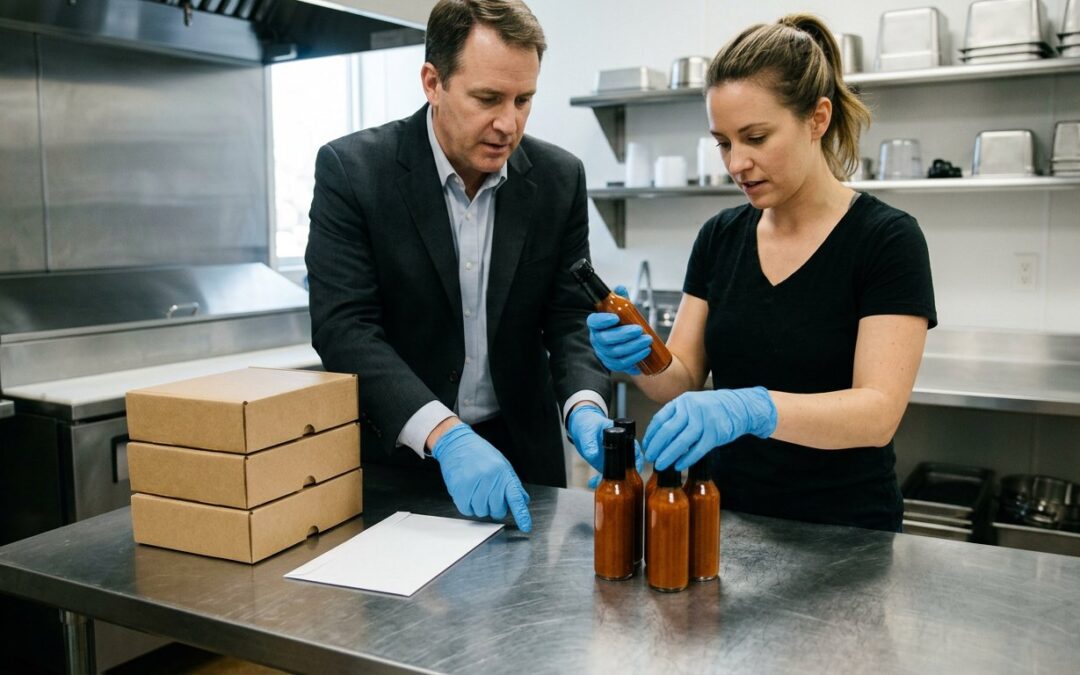
by Angela Langlotz | Nov 22, 2026 | Trademarks |
U.S. trademark application requirements include the applicant’s identifying details, a filing basis, a description of the goods or services, and the correct class or classes; according to the United States Patent and Trademark Office, goods and services are organized...
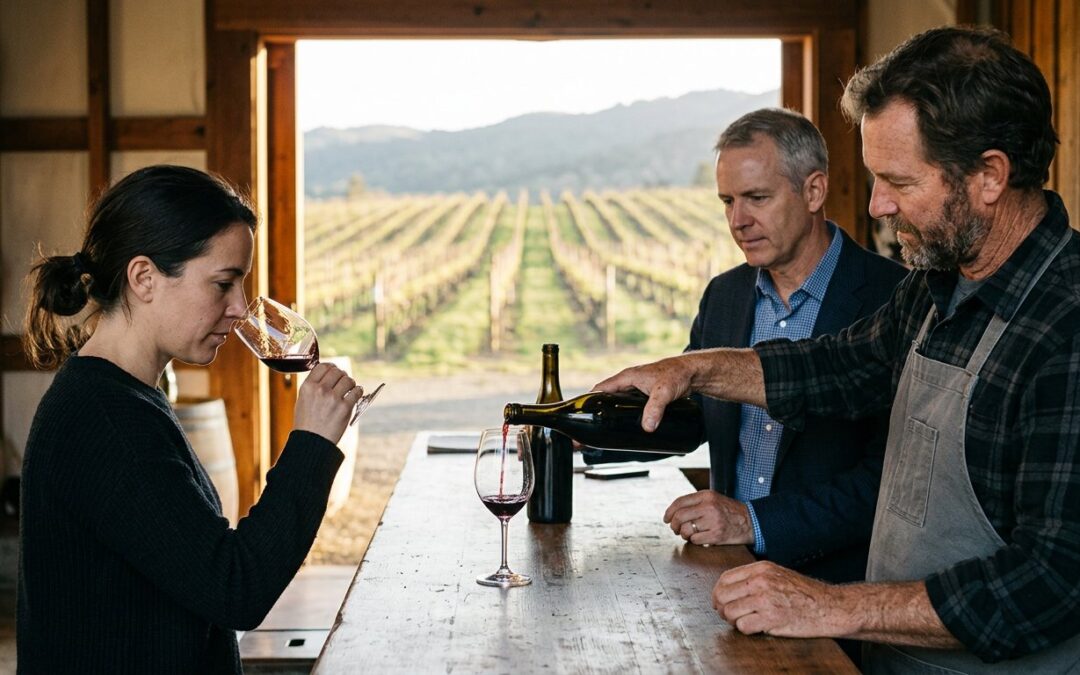
by Angela Langlotz | Nov 21, 2026 | Trademarks |
A place name alone doesn’t doom a trademark application. A geographically descriptive trademark refusal generally depends on whether consumers connect a known location with the goods or services and understand the name as indicating their origin.That distinction...

by Angela Langlotz | Nov 21, 2026 | Trademarks |
Yes, someone can oppose your trademark: according to the United States Patent and Trademark Office, parties who believe registration may harm them have 30 days after publication to oppose or request more time. That makes publication more than a routine milestone in...

by Angela Langlotz | Nov 20, 2026 | Trademarks |
A merely descriptive trademark refusal under Section 2(e)(1) means the USPTO believes your mark immediately describes a feature, quality, purpose, or other characteristic of your goods or services. You may be able to respond by explaining how consumers understand the...